

Why San Antonio Commercial Roofs Fail in Early Summer: Heat, Drainage & Costly Mid-Year Repairs
June 16, 2026
Residential vs. Commercial Roofing in San Antonio: How Summer Affects Them Differently
July 21, 2026
When summer arrives in South Texas, commercial property owners know to expect soaring temperatures, rising energy costs, and the occasional severe storm. What many don’t realize is just how much stress these conditions place on a commercial roofing system.
In San Antonio, prolonged heat, intense UV exposure, and sudden downpours can accelerate roof deterioration, turning minor issues into costly repairs. Whether you manage an office building, warehouse, retail center, or industrial facility, understanding the most common roofing problems can help you avoid unexpected disruptions and extend the life of your roof.
Let’s take a look at six of the most common commercial roofing problems we see during a San Antonio summer.
1. Thermal Expansion and Contraction
One of the biggest challenges for commercial roofing systems in Texas is thermal movement.
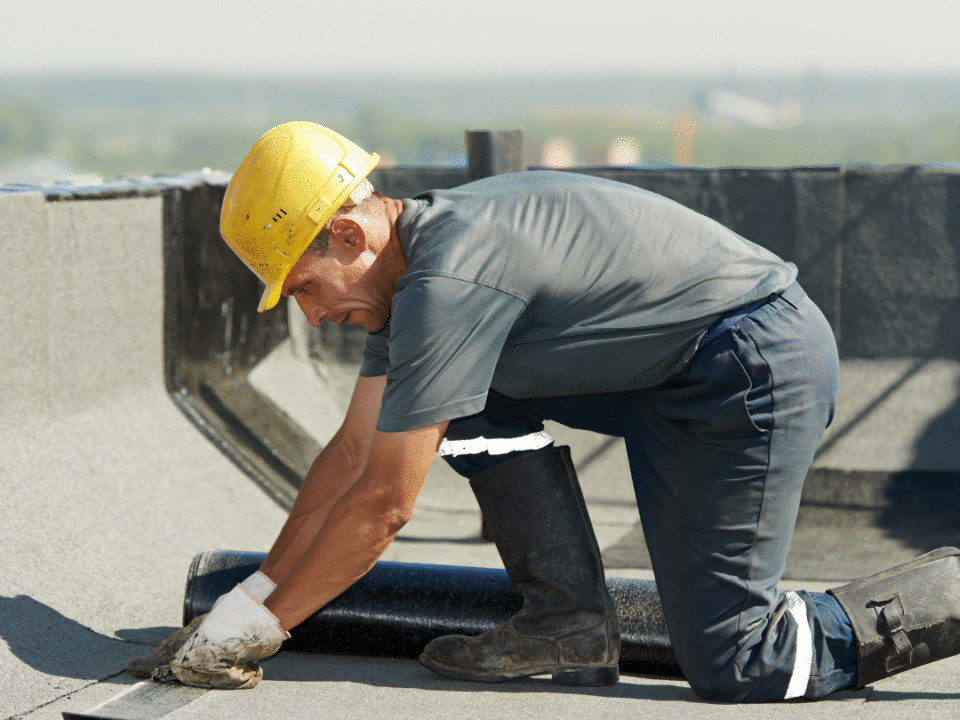
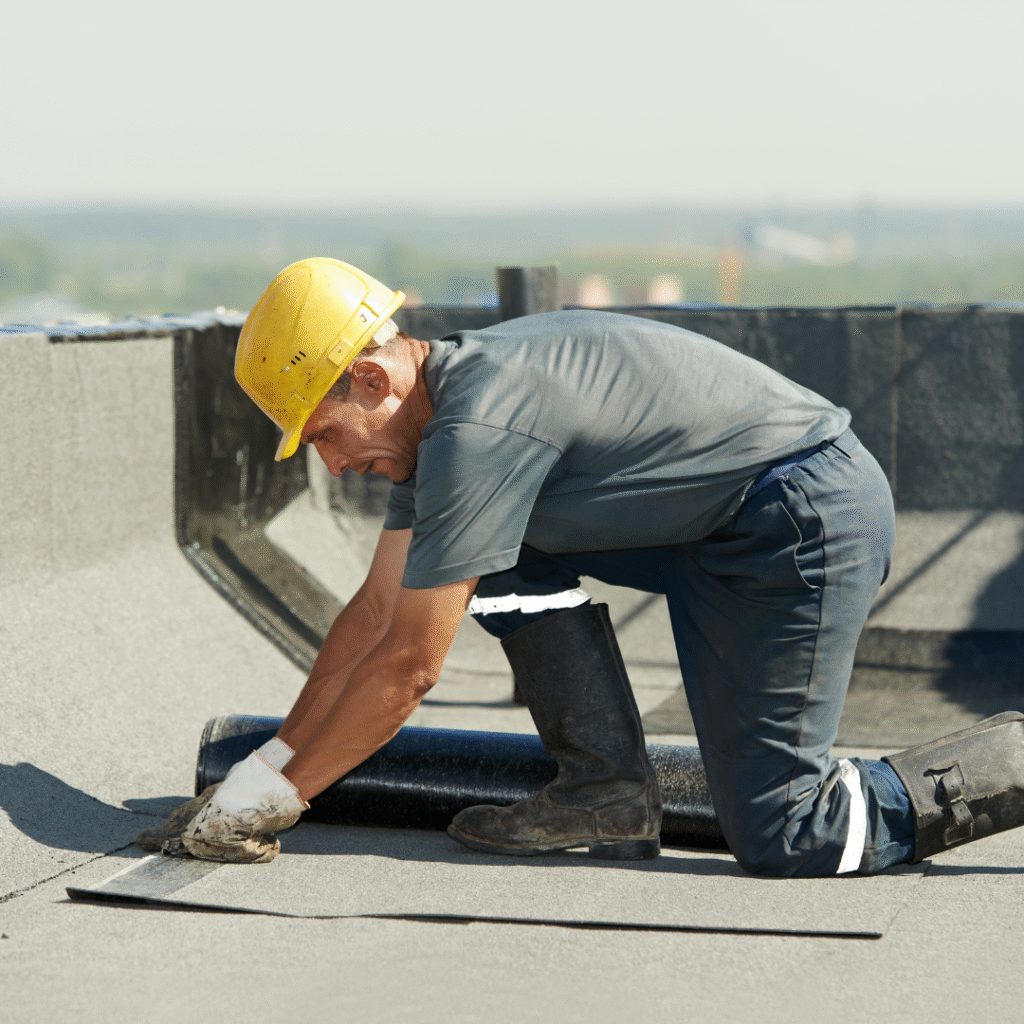
Roof surface temperatures often climb well above the outdoor air temperature during the summer. As roofing materials heat up, they expand, then contract again as temperatures cool overnight. Over time, this constant cycle places stress on seams, flashing, fasteners, and roofing materials, eventually leading to cracks, loose flashing, separated seams, and premature roof aging. Flat and low-slope roofing systems are especially vulnerable to this type of wear.
2. Membrane Shrinkage and Seam Separation
Many commercial buildings use membrane roofing systems such as TPO, PVC, or EPDM. While these materials are designed for durability, years of intense Texas heat can cause them to shrink.
As the membrane contracts, it may pull away from roof edges, flashing, and rooftop penetrations, creating openings where water can enter. Property owners may notice bubbling, wrinkling, open seams, or gaps around rooftop equipment, all early warning signs that should be addressed before leaks develop.
3. Drainage Problems and Ponding Water
Summer thunderstorms can quickly expose drainage problems that have developed over time.
Commercial roofs are designed to move water efficiently toward drains, scuppers, and gutters. When debris blocks these systems or drainage isn’t functioning properly, water can collect on the roof surface. Standing water accelerates membrane deterioration, adds unnecessary structural weight, increases the likelihood of leaks, and can even contribute to mold and moisture problems inside the building.
4. HVAC-Related Roof Damage
Summer is peak air conditioning season, which means rooftop HVAC units are working harder than ever, and receiving more service visits.
Unfortunately, foot traffic from maintenance crews can unintentionally damage roofing materials, while flashing and seals around rooftop equipment often become vulnerable over time. Condensation, loose penetrations, and worn seals can all create opportunities for water intrusion if they aren’t routinely inspected.
5. UV Damage and Premature Roof Aging
The sun in San Antonio is one of a commercial roof’s biggest long-term challenges.
Constant UV exposure gradually breaks down roofing materials, causing them to lose flexibility and become more brittle. Over time, you may notice cracking, discoloration, membrane deterioration, and reduced waterproofing performance. Without regular maintenance, UV damage can significantly shorten the lifespan of your roof.
6. Small Leaks Become Big Problems
One of the most expensive mistakes commercial property owners make is putting off repairs because a leak seems minor.
Summer heat weakens already-damaged areas, and when the next heavy storm arrives, those small vulnerabilities can quickly become major leaks. What starts as a minor roofing issue can escalate into interior water damage, mold growth, damaged equipment or inventory, business interruptions, and costly emergency repairs.
The Value of Preventive Roof Maintenance
Routine maintenance remains one of the most effective ways to protect your investment and avoid expensive repairs.
Professional assessments can identify developing issues before they require major repairs or a full roof replacement. They also help extend your roof’s lifespan, improve energy efficiency, maintain manufacturer warranties, and minimize disruptions to your business.
For commercial buildings in San Antonio, summer is an ideal time to evaluate the condition of your roof and address any concerns before they become larger, more expensive problems.
Protect Your Commercial Roof This Summer
Texas summers can be tough on commercial roofing systems. From thermal expansion and UV exposure to drainage concerns and HVAC-related wear, even the highest-quality roof requires regular attention to perform at its best.
At Norwest Roofing, we help commercial property owners throughout San Antonio identify roofing issues early, create proactive maintenance plans, and make informed decisions about repairs and replacements. Our team understands the unique demands of South Texas weather and provides customized solutions designed to maximize the life of your roofing system.
If your commercial roof hasn’t been inspected recently, now is the perfect time. Contact Norwest Roofing today to schedule a professional roof evaluation and keep your building protected throughout the summer and beyond.
Summer Commercial Roofing FAQs
Extreme Texas heat causes roofing materials to expand during the day and contract as temperatures cool at night. Over time, this repeated movement can weaken seams, flashing, and fasteners, increasing the risk of leaks and premature roof deterioration.
Some of the most common summer roofing issues include thermal expansion, membrane shrinkage, ponding water, UV damage, HVAC-related wear, and small leaks that worsen during heavy storms.
Most commercial roofs should be professionally inspected at least twice a year, typically in the spring and fall, and after severe weather events. Regular inspections help identify minor issues before they become costly repairs.
Yes. Prolonged UV exposure gradually breaks down roofing materials, making them more brittle and less effective at keeping water out. Routine maintenance can help extend the life of your roofing system.
Standing, or ponding, water adds extra weight to the roof and can accelerate membrane deterioration. If left untreated, it can lead to leaks, structural concerns, mold growth, and a shorter roof lifespan.
They can. Frequent maintenance visits, foot traffic, and aging seals around rooftop equipment can all contribute to roof damage and increase the risk of water intrusion if not properly maintained.
If damage is isolated and the roof is still in good overall condition, repairs may be the most cost-effective solution. A professional roofing inspection can determine whether repairs or a full replacement is the better long-term investment.
Common warning signs include water stains inside the building, standing water on the roof, cracked or damaged roofing materials, loose flashing, bubbling or wrinkled membranes, and rising energy costs due to reduced insulation performance.
Regular inspections, prompt repairs, routine maintenance, and keeping drains and gutters clear can significantly extend the life of your commercial roofing system while helping prevent expensive emergency repairs.