

Heavy Rain in San Antonio: How Summer Storms Can Damage Your Roof
August 18, 2026
San Antonio summers can be tough on your roof. Months of intense heat, strong UV exposure, heavy rain, and sudden storms can gradually wear down roofing materials, even when there are no obvious signs of damage from the ground.
That makes September a smart time for San Antonio roof maintenance.
Before fall storms arrive, property owners should take a closer look at their roofs and address small problems before they become expensive repairs. A seasonal assessment can help identify damage caused by summer weather and make sure your roof is ready for the months ahead.
Whether you own a home, manage a commercial property, or oversee multiple buildings, here is what to look for during your fall roof maintenance check.
Why September Is a Good Time for Roof Maintenance in San Antonio
Texas weather puts a lot of stress on roofing systems.
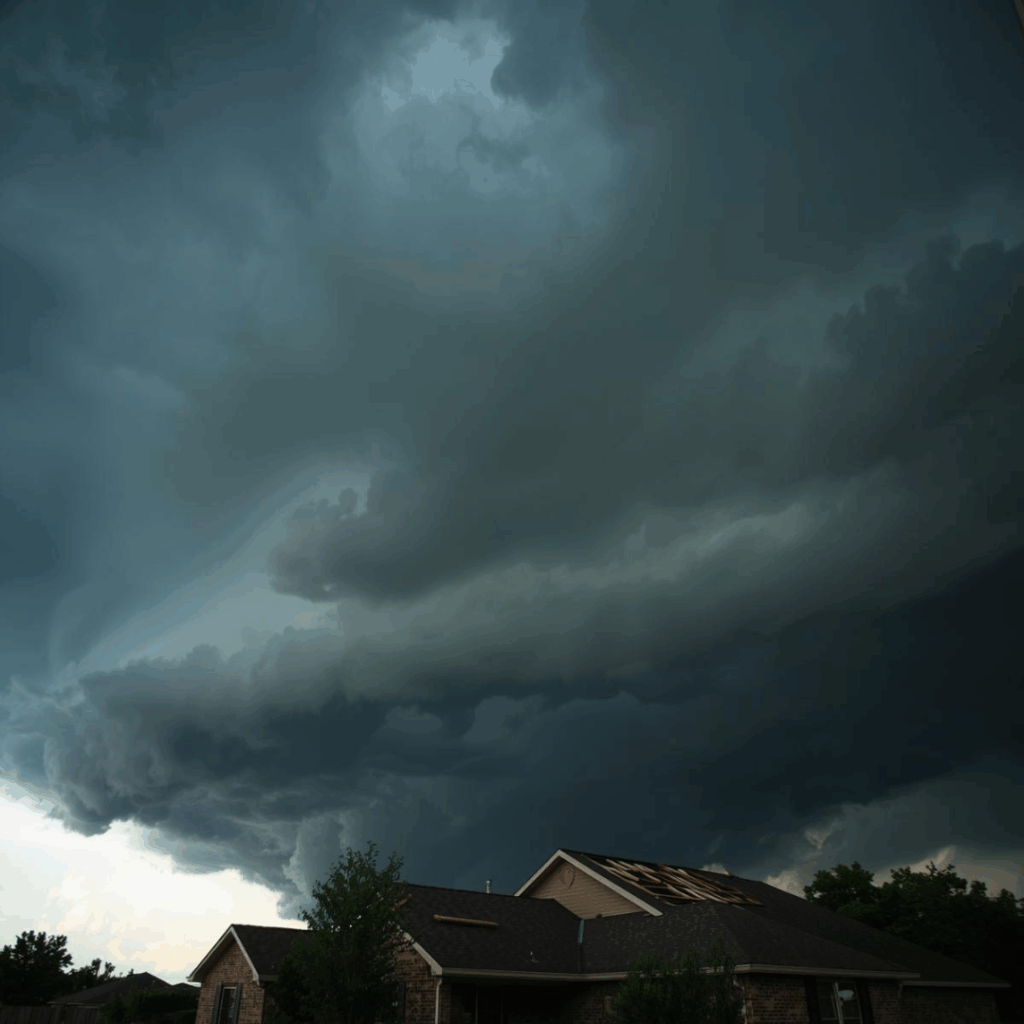
During the summer, prolonged heat and UV exposure can cause roofing materials to dry out, crack, shrink, or deteriorate. Heavy rain and thunderstorms can also expose weak areas around flashing, seams, drains, and other vulnerable points.
By September, your roof has already made it through some of the harshest weather of the year.
A roof assessment in San Antonio gives you an opportunity to identify summer damage and make necessary repairs before fall and winter weather create additional problems.
Regular maintenance can also extend the life of your roofing system and help prevent a minor issue from turning into interior water damage.
San Antonio Roof Maintenance Checklist
Use this checklist as a starting point when inspecting your roof. Keep in mind that some roofing issues are difficult to spot without professional training, so a visual assessment should not replace a professional evaluation when you suspect damage.
1. Look for Damaged or Missing Roofing Materials
For residential properties with asphalt shingles, look for shingles that are:
- Cracked or broken
- Curling or buckling
- Missing granules
- Loose or missing
- Discolored or visibly deteriorated
For commercial properties, inspect the roof membrane for visible tears, punctures, blistering, splitting, or other signs of deterioration.
Damage may not always look dramatic. Even a small compromised area can allow moisture to enter the roofing system.
2. Inspect Flashing and Sealants
Flashing helps direct water away from vulnerable areas of the roof, including chimneys, vents, walls, and other roof penetrations.
Check for loose, damaged, or deteriorated flashing. Pay attention to sealants and caulking as well. Over time, extreme Texas temperatures can cause these materials to dry out, crack, or pull away from the surface.
These small areas can become major sources of leaks if they are ignored.
3. Check Gutters, Downspouts, and Drainage
Proper drainage is one of the most important parts of roof maintenance.
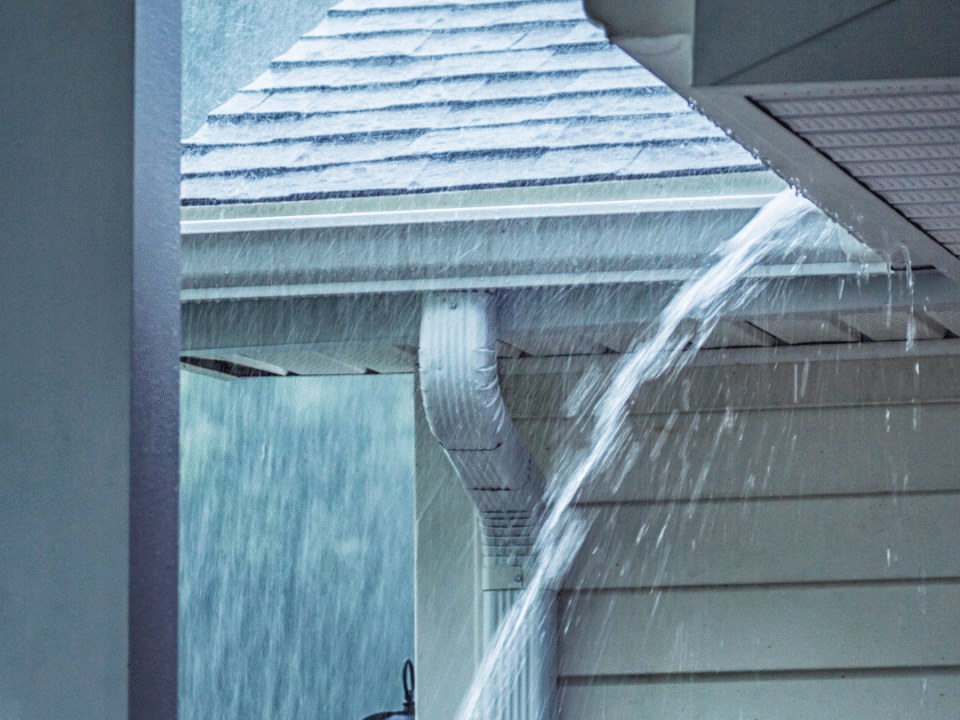
After heavy summer storms, leaves, branches, dirt, and other debris can collect in gutters and drains. If water cannot flow away from the roof properly, it may pool against the roofing system and increase the risk of leaks and structural damage.
Make sure your gutters are clear of debris, downspouts are directing water away from the building, roof drains are unobstructed, and that there are no areas where water consistently pools.
Commercial properties with flat or low-slope roofing systems should pay particular attention to drainage.
4. Look for Signs of Water Damage
You do not always have to see a hole in your roof to know there is a problem.
Inside the building, look for signs such as:
- Water stains on ceilings or walls
- Damp insulation
- Peeling paint
- Musty odors
- Mold or mildew
- Discolored ceiling tiles
If you notice these signs, do not assume the problem will resolve itself after the weather dries out. Water can travel through roofing materials and building structures, meaning the visible damage may not be directly below the source of the leak.
Residential Roof Maintenance: What Homeowners Should Check

Residential roofing systems face the same harsh Texas weather as commercial roofs, but homeowners should pay particular attention to shingles, flashing, gutters, and areas where the roof connects with other structures.
Walk around your property and look for missing or damaged shingles, visible debris, damaged gutters, and signs of water intrusion.
You should also check areas around skylights, chimneys, vents, and roof penetrations. These are common locations for leaks to develop.
If you have trees close to your home, trim branches that could fall onto the roof during a storm. Leaves and branches can also contribute to clogged gutters and drainage problems.
When you’re unsure whether something looks normal, it is better to have it evaluated by a professional than to wait for a leak to appear.
Commercial Roof Maintenance: What Property Managers Should Check
Commercial roofing systems can be more complex than residential roofs, particularly when a building has a flat or low-slope roof.
For commercial properties, fall maintenance should include checking the condition of the roofing membrane, seams, flashing, penetrations, drains, and other roof components.
HVAC equipment and other systems located on commercial roofs can also create additional areas that require attention. Look for damaged seals, loose components, or areas where equipment may have affected the roofing membrane.
It is also important to look for ponding water. Water that remains on a commercial roof after rainfall can indicate drainage problems that should be addressed before they contribute to larger roofing issues.
A consistent commercial roof maintenance program can make it easier to identify problems early and keep the roof performing properly throughout the year.
Do Not Forget About Summer Heat and UV Damage
San Antonio’s summer heat can be hard on roofing materials.
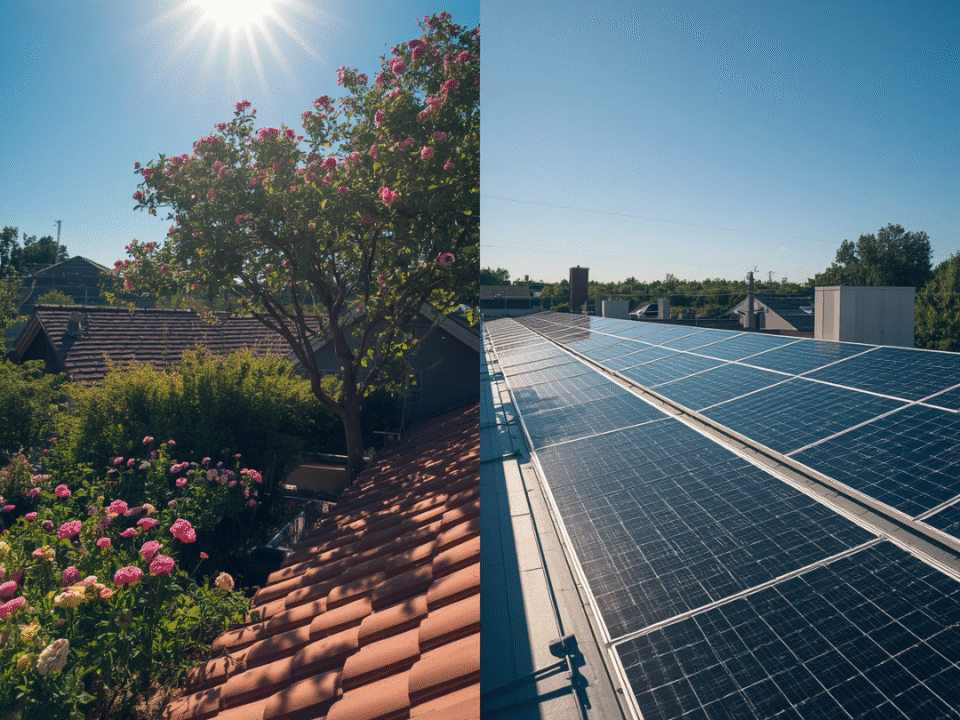
Repeated exposure to high temperatures and intense sunlight can accelerate the aging process. Some materials may become brittle, lose flexibility, or begin to deteriorate over time.
The problem is that UV and heat damage is not always obvious to a property owner.
A roof can look relatively normal from the ground while still showing signs of aging or deterioration up close. That is one reason a professional roof inspection can be valuable, especially if your roof is older or has not been inspected recently.
When Should You Call a Roofing Contractor?
A professional assessment is recommended if you notice signs of damage, recurring leaks, standing water, deteriorating materials, or other concerns.
You should also consider scheduling an assessment if your roof is approaching the end of its expected service life or if your property recently experienced severe weather.
A qualified roofing contractor in San Antonio can assess the condition of your roofing system and help determine whether it needs maintenance, repairs, or more extensive work.
Preventive maintenance can help you catch issues while they are still manageable.
Prepare Your Roof Before Fall Storms Arrive
September is a natural reminder to take stock of your roof.
After months of San Antonio heat, UV exposure, rain, and severe weather, your roofing system may have developed problems that are not immediately visible. Checking roofing materials, flashing, sealants, drainage systems, and signs of water damage can help you identify potential issues before they become bigger problems.
For homeowners and commercial property owners alike, fall roof maintenance is about being proactive.
A few hours spent inspecting your roof now could help prevent a much larger headache later. If you are unsure about the condition of your roof or have noticed signs of damage, schedule a professional roof assessment in San Antonio before the next round of severe weather arrives.