

6 Commercial Roof Problems We See Most During Summer in San Antonio
July 7, 2026
Roof Repair vs. Roof Replacement: How to Know What Your Home Needs
August 4, 2026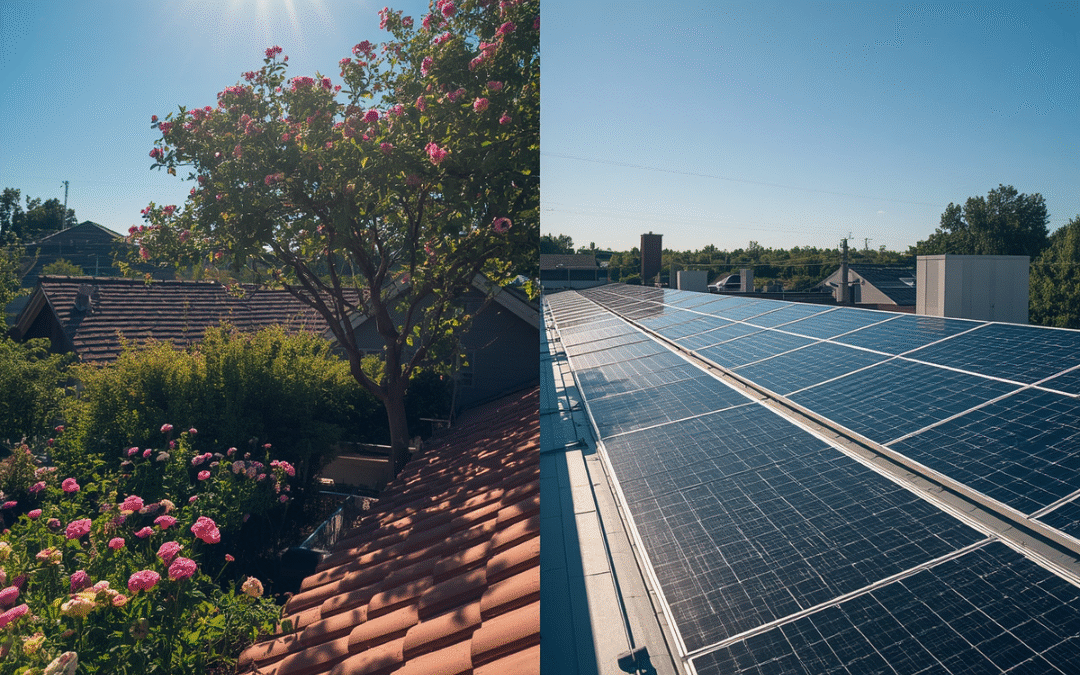
Summer in South Texas is tough on every roof. With triple-digit temperatures, intense UV exposure, and sudden thunderstorms, roofing systems across San Antonio face significant seasonal stress. However, residential and commercial roofs don’t respond to summer conditions in the same way.
While both types of roofs are designed to protect a property from the elements, differences in design, materials, drainage systems, and maintenance requirements mean homeowners and commercial property owners often face unique challenges during the hottest months of the year.
This blog showcases how summer affects residential and commercial roofing to help you make informed decisions about inspections, maintenance, and long-term roof performance.
The Biggest Difference: Sloped Roofs vs. Flat Roofs
One of the biggest differences between residential and commercial roofing is the roof’s design.
Most homes have sloped roofs that allow rainwater to drain quickly after storms. They’re commonly built with asphalt shingles, metal, tile, or synthetic roofing materials, all of which perform well in directing water away from the home.
Commercial buildings, on the other hand, typically feature flat or low-slope roofing systems designed to support larger structures, rooftop HVAC units, solar panels, and other equipment. These roofs are often constructed with TPO, PVC, EPDM, modified bitumen, or built-up roofing systems. While this design offers practical advantages, it also requires greater attention to drainage and routine maintenance.
How San Antonio’s Summer Heat Impacts Residential Roofs
Residential roofs absorb a tremendous amount of solar energy throughout the summer.
As temperatures rise each day, roofing materials expand before contracting again overnight. Over time, this repeated movement can cause shingles to curl, crack, lose protective granules, fade, and age more quickly. In San Antonio, prolonged UV exposure is one of the leading causes of asphalt shingle deterioration.
Heat doesn’t just affect the roof itself, it can also build up in the attic, forcing your air conditioning system to work harder. Proper attic ventilation helps reduce heat buildup, improve energy efficiency, and extend the life of your roof.
How Summer Heat in San Antonio Impacts Commercial Roofs
Commercial roofs often face even greater heat-related challenges because of their size and construction.
Large flat roofs absorb and retain heat throughout the day, causing roofing membranes to expand in the afternoon and contract overnight. Over time, this constant movement can weaken seams, flashing, and attachment points, increasing the risk of membrane shrinkage, roof leaks, and premature wear.
Commercial roofs also support HVAC systems and other rooftop equipment, creating additional heat and increasing foot traffic that can contribute to roofing damage if not properly managed.
Why Commercial Roofs Often Run Hotter
Although every roof absorbs sunlight, commercial roofing systems typically retain more heat than residential roofs.
Large flat surfaces receive direct sunlight for much of the day and have fewer opportunities for heat to dissipate. As a result, buildings may experience higher cooling costs, increased strain on HVAC systems, faster material deterioration, and reduced roofing efficiency.
Many commercial property owners combat these issues with reflective roofing systems or cool roof coatings. Homeowners can achieve similar benefits by choosing energy-efficient roofing materials, improving attic ventilation, and selecting lighter-colored roofing products.
San Antonio Summer Storms Create Different Risks
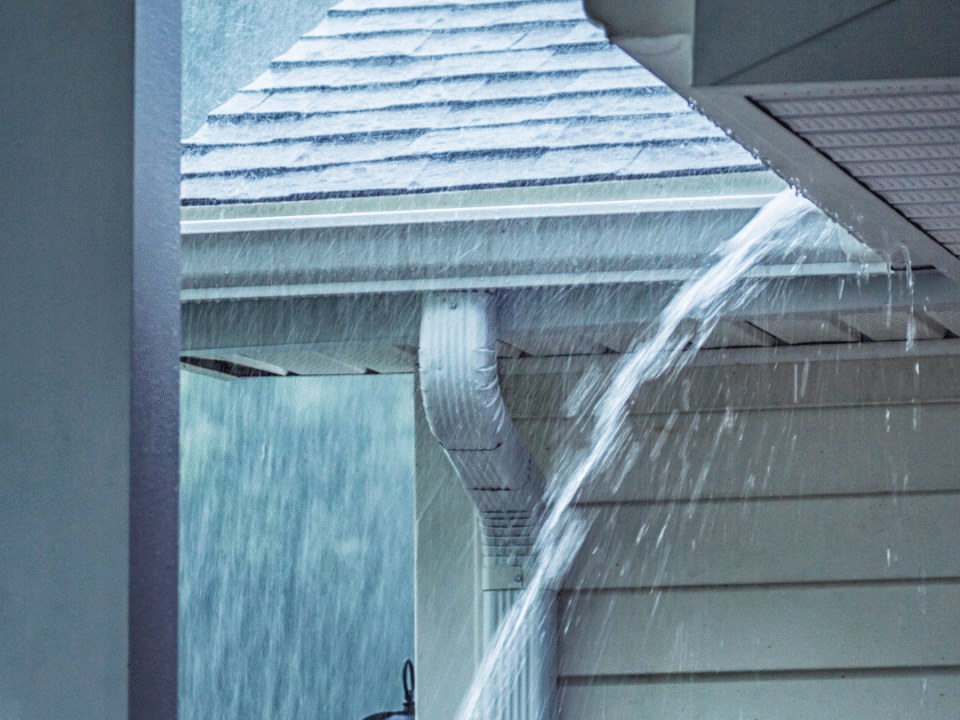
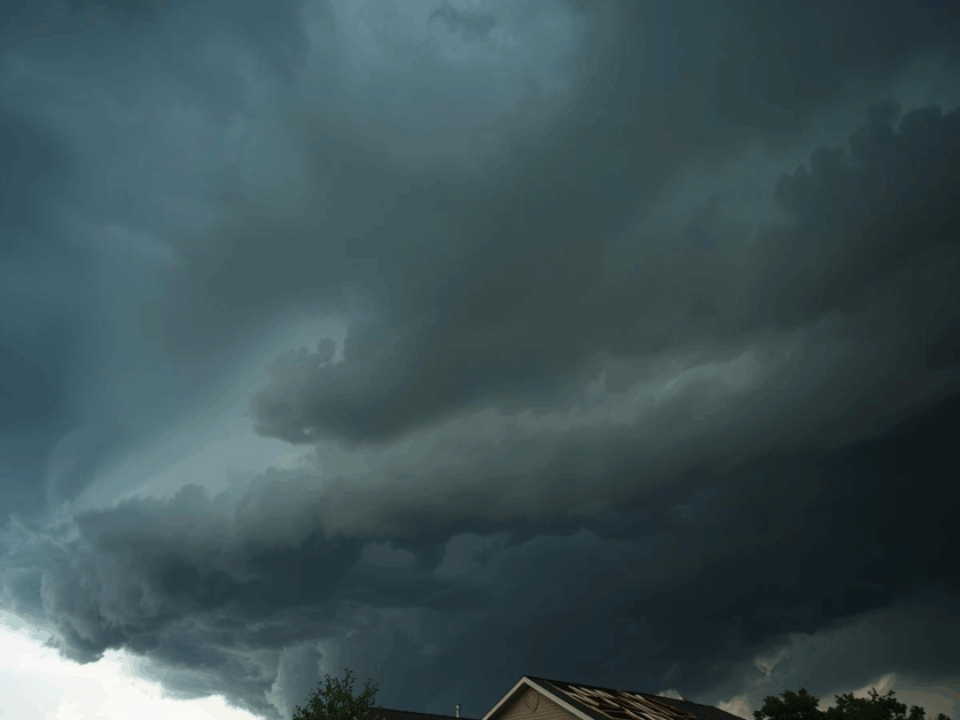
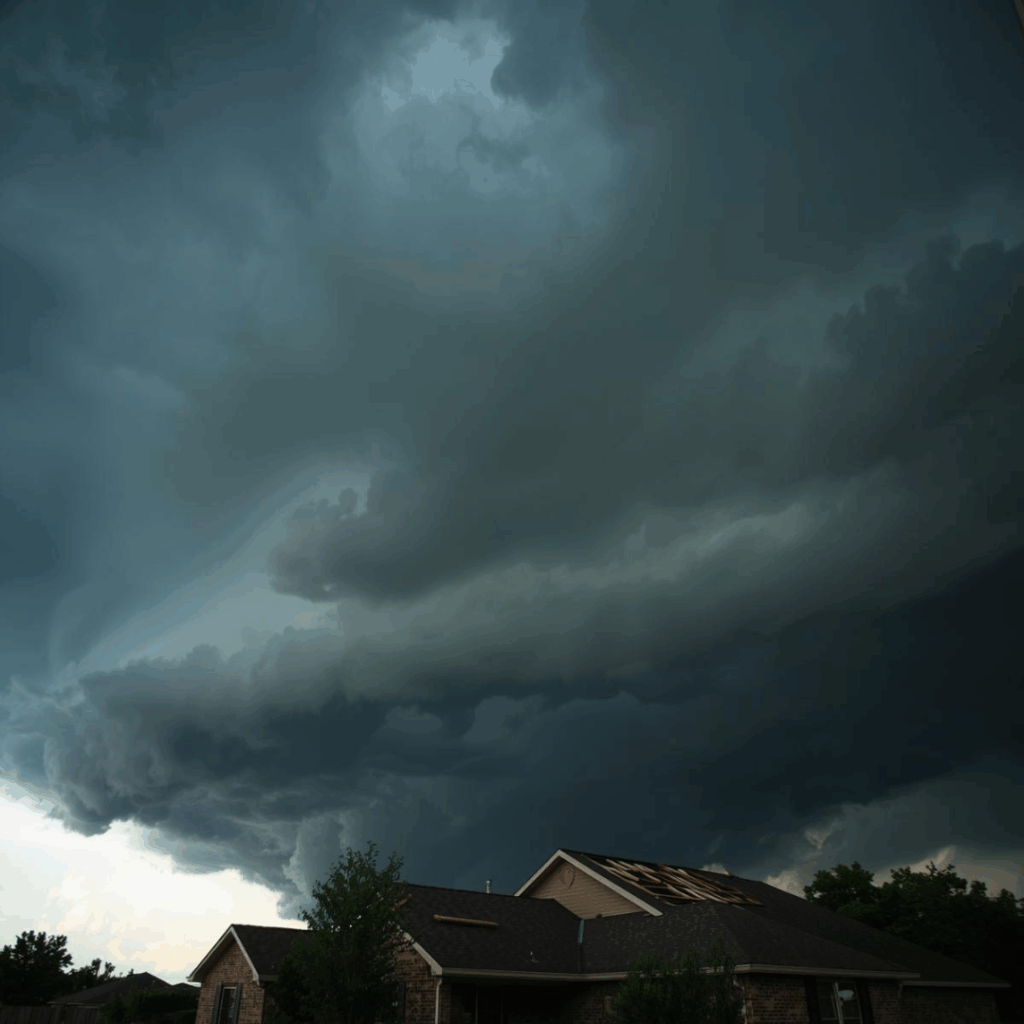
Texas summers often bring high winds, hail, heavy rain, and sudden thunderstorms, but those storms don’t affect every roof the same way.
Residential roofs are more likely to experience missing shingles, damaged flashing, hail impacts, gutter damage, and localized leaks. Because they’re sloped, water usually drains away quickly, making standing water less of a concern.
Commercial roofs, however, depend on properly functioning drainage systems. Even a minor blockage can allow water to collect on the roof, leading to ponding water, membrane damage, hidden leaks, and added structural stress after a storm.
Maintenance Looks Different for Every Roof
Maintenance schedules also vary depending on the type of property.
Most homeowners benefit from annual roof assessments, regular gutter cleaning, checking for damaged shingles after storms, and ensuring attic ventilation is working properly.
Commercial roofing systems generally require more frequent attention. Semi-annual inspections, drainage evaluations, membrane inspections, HVAC penetration checks, and post-storm assessments help identify problems before they become costly repairs.
Lifespan Expectations
While every roof is different, proper maintenance plays a major role in maximizing its lifespan.
Residential Roofing
- Asphalt shingles: 20–30 years
- Metal roofing: 40–70 years
- Tile roofing: 50+ years
Commercial Roofing
- TPO: 15–30 years
- PVC: 20–30 years
- EPDM: 20–35 years
Routine assessments and preventive maintenance can help both residential and commercial roofing systems reach, or even exceed, their expected lifespan.
Protect Your Roof Before Summer Takes Its Toll
Whether you own a home or manage a commercial property, South Texas summers place tremendous demands on your roof. While residential and commercial roofing systems face different challenges, both benefit from proactive assessments, preventive maintenance, and timely repairs.
Understanding how heat, UV exposure, storms, and drainage affect your specific roofing system can help you avoid costly damage and maximize the life of your investment.
Residential and Commercial Roofing Experts in San Antonio
At Norwest Roofing, we provide comprehensive residential and commercial roofing services throughout San Antonio and the surrounding areas. From routine assessments and maintenance to repairs and full roof replacements, our team understands the unique challenges Texas weather creates for every type of roofing system.
If you’d like to ensure your roof is ready for the rest of the summer season, contact Norwest Roofing today to schedule a professional roof inspection.
Residential vs. Commercial Roofing in San Antonio
Residential roofs are typically sloped and use materials like asphalt shingles, metal, or tile. Commercial roofs are usually flat or low-sloped and are built with membrane systems such as TPO, PVC, or EPDM that require different installation and maintenance methods.
Yes. Residential roofs often experience shingle deterioration, granule loss, and attic heat buildup, while commercial roofs are more susceptible to membrane expansion, seam separation, and drainage issues because of their flat design.
Commercial roofs have larger surface areas, rooftop equipment, and flat designs that make them more vulnerable to standing water, membrane damage, and leaks. Routine inspections help identify these issues before they become expensive repairs.
Homeowners should schedule a professional roof inspection at least once a year and after severe storms. Commercial properties generally benefit from inspections twice a year, along with additional evaluations after major weather events.
Not necessarily, but flat roofs rely on effective drainage systems. If drains become clogged or water ponds on the surface, the risk of leaks and membrane damage increases.
Metal and tile are among the longest-lasting residential roofing materials, often lasting 40 to 50 years or more with proper maintenance. Commercial systems like PVC and EPDM can also provide decades of reliable performance when routinely inspected and maintained.
Regular inspections, prompt repairs, proper drainage, clean gutters, attic ventilation, and preventive maintenance can help protect both residential and commercial roofs from heat, UV exposure, and storm damage.