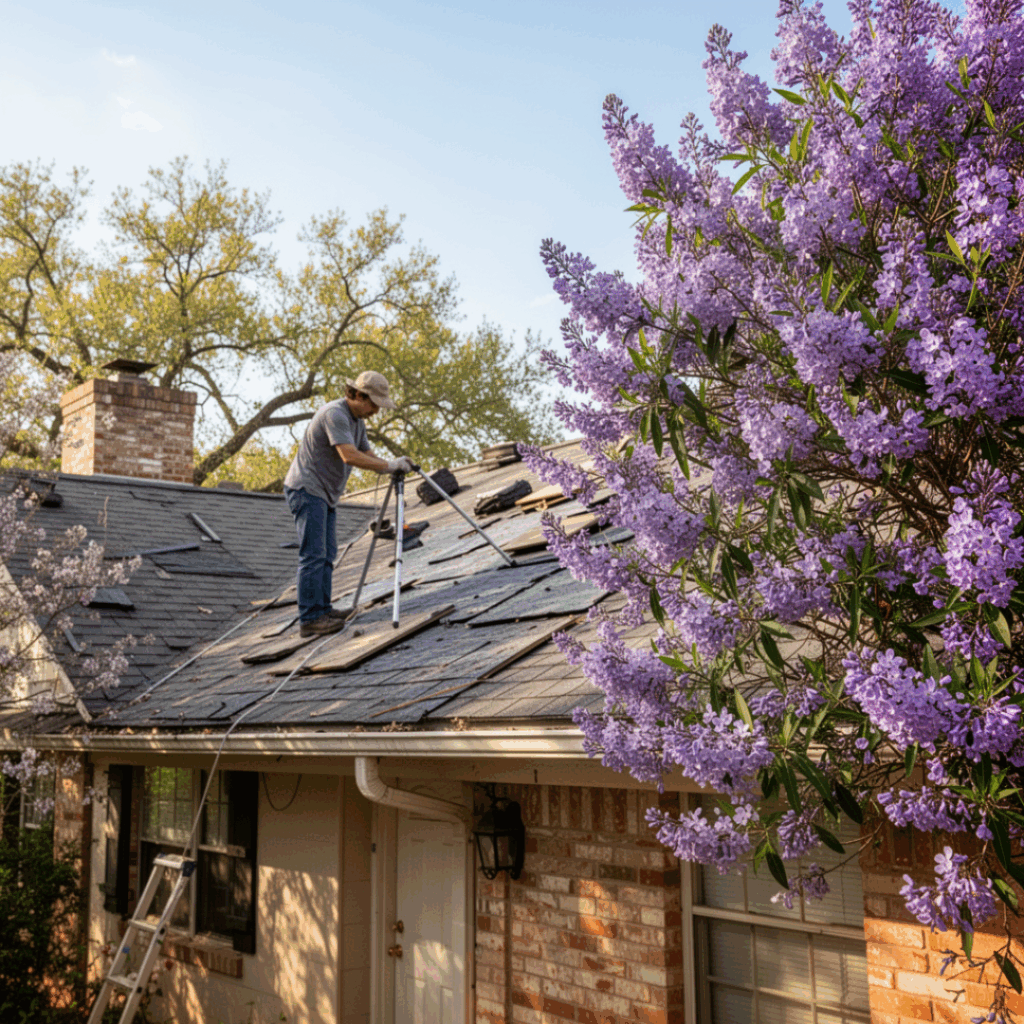


How to File a Roof Replacement Insurance Claim After a Texas Storm
March 3, 2026
Common Spring Roofing Problems in San Antonio, And How to Catch Them Early
April 7, 2026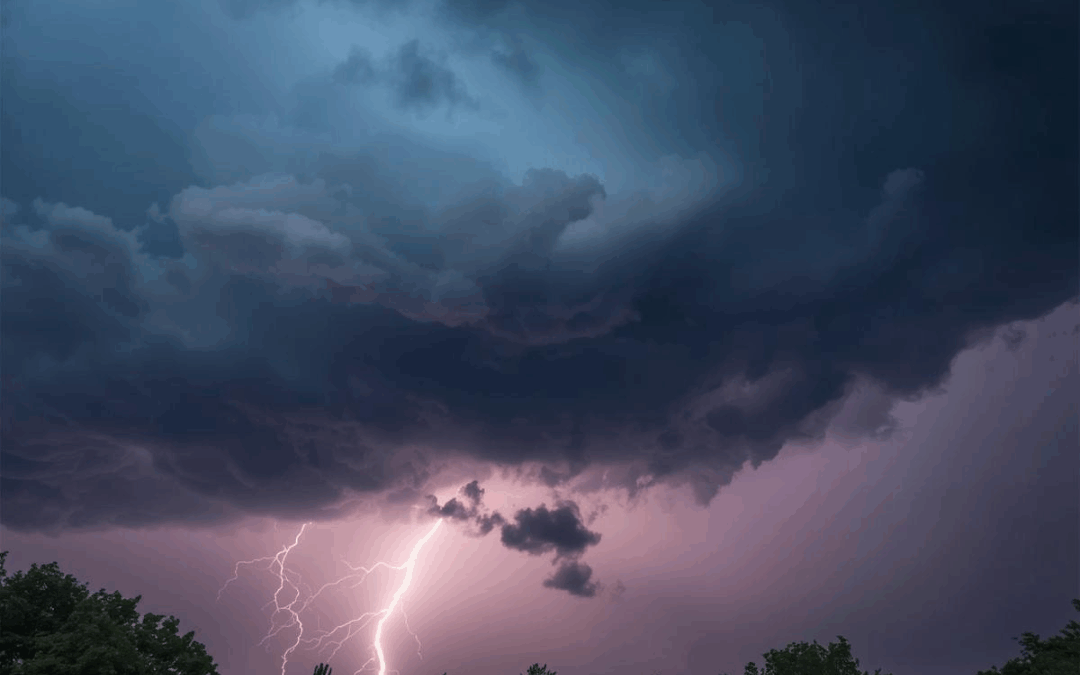
(For Homeowners & Commercial Properties)
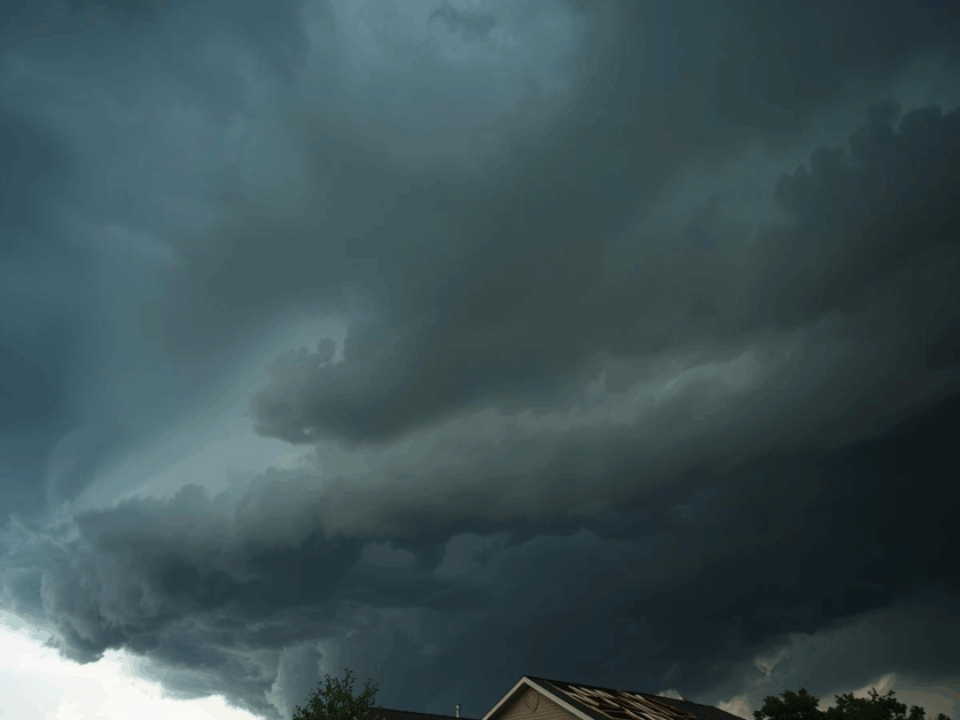
Spring in Texas doesn’t ease in quietly. One week brings sunshine and mild temperatures, while the next brings hail, straight-line winds, and heavy rain that tests every inch of your roof.
At Norwest Roofing, we see the same pattern every year with what begins as small, preventable issues turning into major repairs once storm season hits. The difference between a roof that holds up and one that fails often comes down to preparation, and timing.
Whether you manage a commercial property or own a home, preparing your roof before March and April storms roll in can reduce damage, protect your investment, and simplify the insurance process if a storm does hit.
Here’s what San Antonio property owners should know, and do, before spring storm season arrives.
Why Spring Storms Are Hard on Texas Roofs
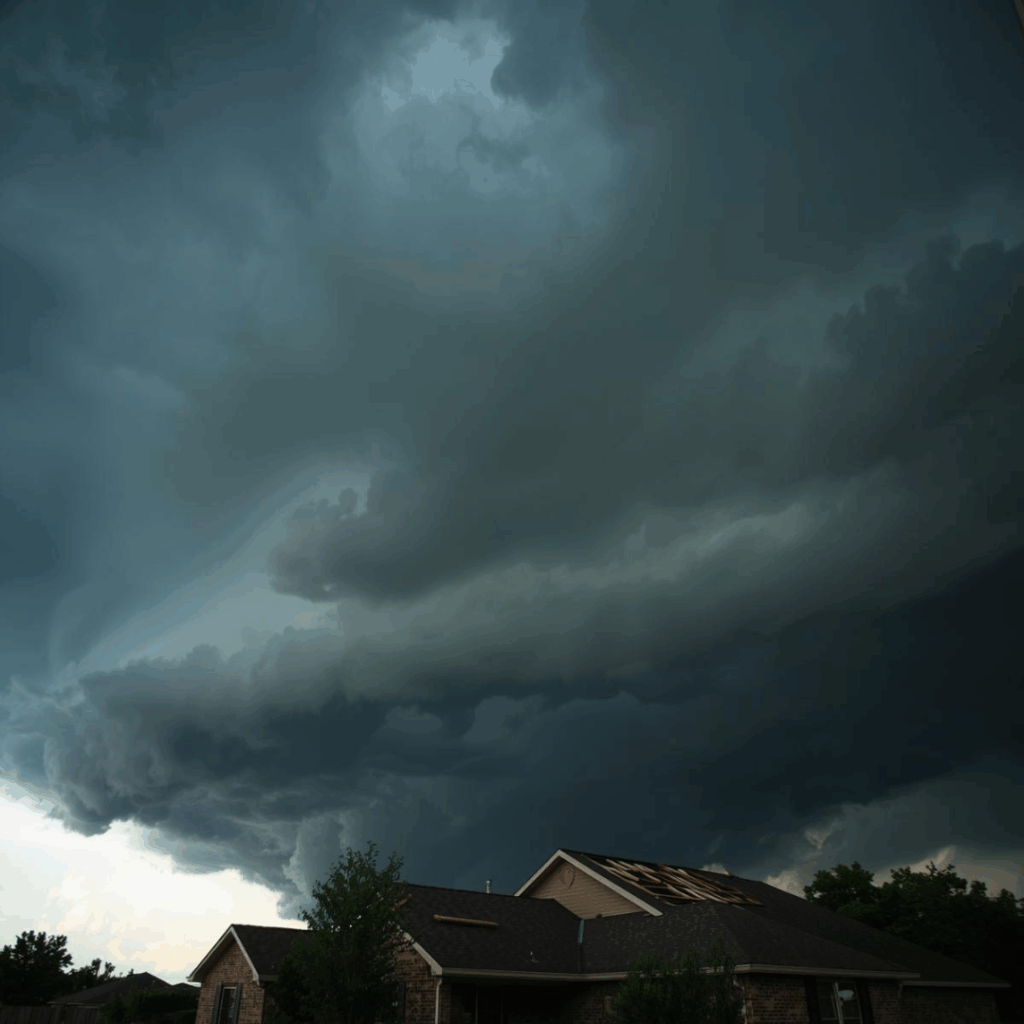
Texas storms are uniquely destructive because they often combine multiple stressors at once: hail impact, high winds, and intense rainfall in a short window of time.
Even roofs that look “fine” from the ground can have vulnerabilities that worsen under these conditions. Wind can lift loose shingles. Hail can fracture materials without obvious surface damage. Heavy rain exploits weak flashing, clogged drainage, and deteriorating sealants.
By the time leaks appear inside, the damage is usually already extensive.
That’s why proactive roof preparation is one of the most cost-effective steps you can take as a property owner.
Start With a Professional Roof Assessment in San Antonio
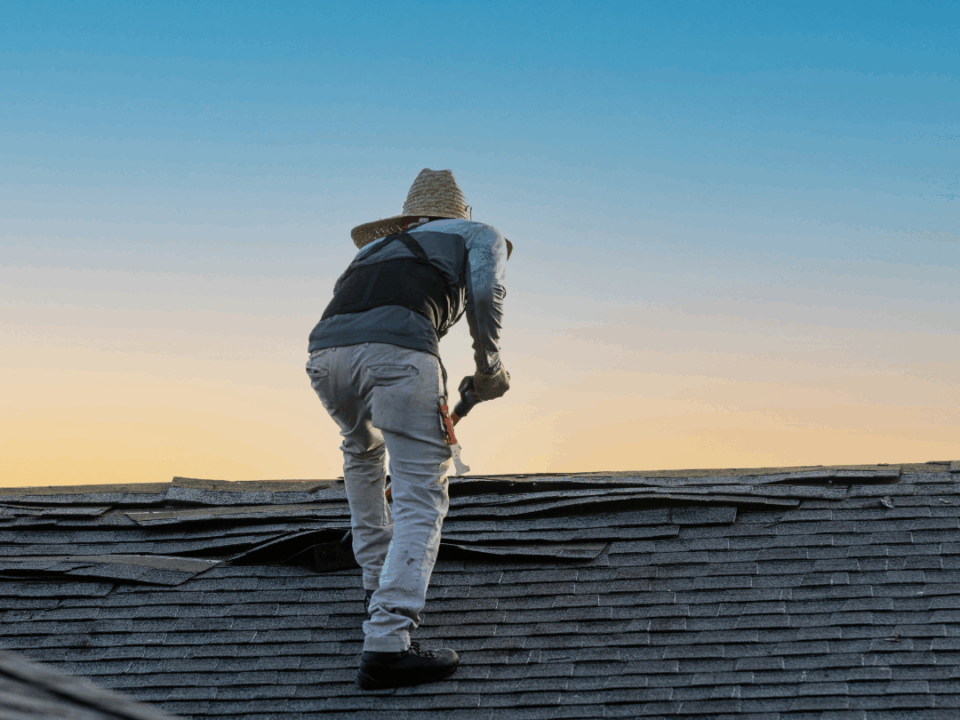
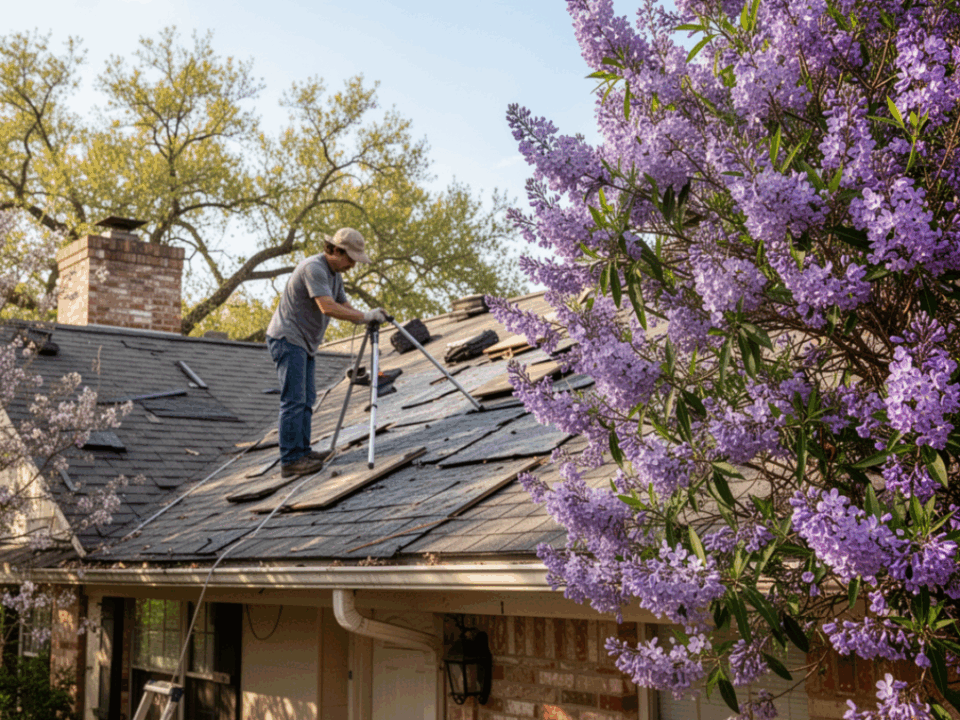
The most important step in spring roof preparation is a professional assessment by a licensed roofing contractor who understands Texas weather patterns.
A proper inspection goes beyond a quick visual check. At Norwest Roofing, assessments may include:
- Identifying loose, lifted, or aging shingles
- Checking flashing around vents, chimneys, skylights, and HVAC units
- Inspecting flat roof seams, drains, and membranes
- Looking for signs of hidden moisture intrusion
- Assessing overall roof age and remaining lifespan
For commercial properties, assessments often involve additional considerations like rooftop equipment, drainage systems, and structural integrity.
Catching issues early allows for targeted repairs before storms turn small weaknesses into large-scale failures.
Clean Gutters and Roof Drainage Systems
Clogged gutters are one of the most common, and overlooked, causes of storm-related roof damage in Texas.
When gutters and downspouts are blocked by leaves, debris, or sediment, water has nowhere to go. During heavy rain, that water can back up under shingles, overflow onto fascia boards, or pool on flat roofs.
For homeowners, this increases the risk of roof leaks, wood rot, and foundation damage. For commercial properties, blocked drains can lead to standing water, membrane deterioration, and interior water intrusion.
Before storm season:
- Clear all gutters and downspouts
- Ensure water is flowing freely away from the building
- Check flat roof drains and scuppers for debris buildup
This simple step can prevent costly water damage later.
Trim Trees and Remove Nearby Hazards
High winds are a major factor in spring storms in San Antonio. Overhanging branches and nearby trees become serious risks when storms hit.
Branches should be trimmed at least six feet away from the roofline. This reduces the chance of limbs breaking off and damaging shingles, puncturing membranes, or tearing off gutters during strong winds.
Also take time to secure or remove loose items around the property: outdoor furniture, equipment, or debris, that could become airborne and strike the roof.
Inspect Shingles, Flashing, and Roof Penetrations
Your roof’s most vulnerable points are often where materials meet or where penetrations occur.
For residential roofs, this includes:
- Missing, cracked, or curling shingles
- Loose ridge caps
- Flashing around chimneys, vents, and skylights
For commercial roofs, common failure points include:
- Flashing around HVAC units and rooftop equipment
- Seams in flat roofing systems
- Expansion joints and penetration seals
Sealing and securing these areas before storm season helps prevent wind-driven rain from entering the building envelope.
Check Attic Ventilation and Moisture Issues
Storm preparation isn’t only about what’s visible from the outside.
Poor attic ventilation can trap moisture and heat, weakening roofing materials over time and increasing the risk of leaks during heavy rain. Moisture buildup can also contribute to mold growth and wood rot.
A professional assessment can identify ventilation issues and recommend improvements that protect both the roof system and the interior structure.
Document Your Roof’s Condition for Insurance
One step many property owners overlook is documentation.
Before storm season begins, take clear photos of your roof’s current condition, or request documentation from your roofing contractor after an inspection. This includes wide shots and close-ups of key areas.
If you ever need to file an insurance claim after a storm, having pre-storm documentation can make the process smoother and help establish the extent of storm-related damage.
Special Considerations for Commercial Properties in San Antonio
Commercial roofs require a different approach to storm preparation.
In addition to standard inspections, commercial property owners should pay attention to:
- Rooftop HVAC units and penetrations
- Drainage systems and slope integrity
- Decking stability and attachment
- Aging materials that may not meet current wind or impact standards
For older buildings, spring is also a good time to consider material upgrades, such as impact-resistant systems or improved fastening methods that better withstand Texas weather.
If more than 25% of a roof requires repair, replacement may be more cost-effective than repeated patching, especially ahead of storm season.
Why Timing Matters in San Antonio
March and April are critical months for roof preparation in San Antonio.
Once storm season ramps up, roofing companies become busy responding to emergency repairs and insurance claims. Addressing maintenance and inspections early gives you more options, less stress, and often lower costs.
It also reduces the likelihood of interior damage, business interruptions, or displaced homeowners when storms hit unexpectedly.
Why Work With Norwest Roofing
As local roofing experts, Norwest Roofing understands the specific challenges Texas storms bring, and how to prepare for them.
We work with both residential and commercial property owners to provide:
- Thorough, honest roof assessments
- Preventive maintenance and targeted repairs
- Clear communication and documentation
- Experience with storm damage and insurance processes
Our goal is simple: help you protect your property before damage happens, not just after.
Prepare Now, Stress Less Later
Spring storms in San Antonio are inevitable, but roof damage doesn’t have to be.
By taking proactive steps now, scheduling inspections, addressing minor issues, and preparing your roof system, you can reduce risk, extend the life of your roof, and gain peace of mind heading into storm season.If you’re unsure about your roof’s condition or want a professional assessment before spring storms arrive, contact us today for help.